
Find Security Door Installers in Your Area
- Security Door Installers in Montgomery
- Security Door Installers in Juneau
- Security Door Installers in Phoenix
- Security Door Installers in Little Rock
- Security Door Installers in Sacramento
- Security Door Installers in Denver
- Security Door Installers in Hartford
- Security Door Installers in Dover
- Security Door Installers in Tallahassee
- Security Door Installers in Atlanta
- Security Door Installers in Honolulu
- Security Door Installers in Boise
- Security Door Installers in Springfield
- Security Door Installers in Indianapolis
- Security Door Installers in Des Moines
- Security Door Installers in Topeka
- Security Door Installers in Frankfort
- Security Door Installers in Baton Rouge
- Security Door Installers in Augusta
- Security Door Installers in Annapolis
- Security Door Installers in Boston
- Security Door Installers in Lansing
- Security Door Installers in Saint Paul
- Security Door Installers in Jackson
- Security Door Installers in Jefferson City
- Security Door Installers in Helena
- Security Door Installers in Lincoln
- Security Door Installers in Carson City
- Security Door Installers in Concord
- Security Door Installers in Trenton
- Security Door Installers in Santa Fe
- Security Door Installers in Albany
- Security Door Installers in Raleigh
- Security Door Installers in Bismarck
- Security Door Installers in Columbus
- Security Door Installers in Oklahoma City
- Security Door Installers in Salem
- Security Door Installers in Harrisburg
- Security Door Installers in Providence
- Security Door Installers in Columbia
- Security Door Installers in Pierre
- Security Door Installers in Nashville
- Security Door Installers in Austin
- Security Door Installers in Salt Lake City
- Security Door Installers in Montpelier
- Security Door Installers in Richmond
- Security Door Installers in Olympia
- Security Door Installers in Charleston
- Security Door Installers in Madison
- Security Door Installers in Cheyenne
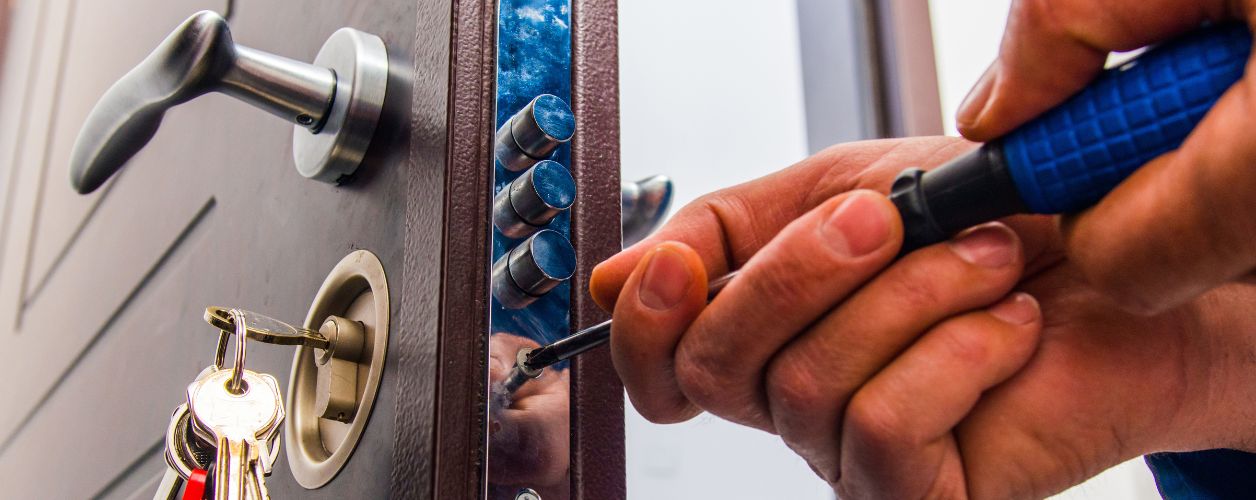
Find Expert Security Door Installers Near You
Security door installation involves fitting specially reinforced doors designed to resist forced entry, withstand extreme weather, and provide a strong physical barrier between your living or working space and the outside world. Unlike standard exterior doors, these products combine heavy-duty materials such as steel, aluminum alloys, or solid wood cores with reinforced frames, multi-point locking systems, and impact-resistant glass to create a comprehensive entry protection solution. Professional security door installers assess your existing openings, recommend doors matched to your specific threat level and aesthetic preferences, then perform precise installation that ensures every component functions as an engineered system rather than a collection of parts.
Homeowners frequently seek this service after experiencing a break-in, moving into a new property with unknown door history, or simply wanting peace of mind for their family. Renters with landlord approval often upgrade entry points in higher-risk neighborhoods. Property managers responsible for multi-unit buildings need consistent protection across all units while meeting fire codes and insurance requirements. Business owners protecting inventory, sensitive data, or cash on premises invest in commercial-grade solutions that deter criminals before they attempt entry. Regardless of the setting, hiring experienced professionals matters because a security door only performs as well as its installation. Even the strongest door becomes vulnerable when hung incorrectly, fitted with inadequate fasteners, or paired with a frame that cannot distribute impact forces properly. Licensed installers understand load points, anchor requirements, and the subtle adjustments needed to maintain smooth operation while eliminating gaps that burglars exploit.
Types of Security Door Services Available
When searching for security door solutions, you will encounter specialists offering distinct service types tailored to different property needs. Understanding these categories helps narrow your search and communicate clearly with potential contractors.
- Residential front door security upgrades – Complete removal of existing entry doors and replacement with steel, solid-core, or reinforced fiberglass doors featuring multi-point locks, reinforced strike plates, and tamper-resistant hinges.
- Custom security door fabrication – Bespoke doors built to your exact dimensions, style preferences, and security specifications, ideal for non-standard openings, historic properties requiring aesthetic sensitivity, or unique architectural designs.
- Security screen door installation – Heavy-duty mesh or perforated metal screen doors mounted outside primary doors, allowing ventilation and visibility while blocking unauthorized access attempts with pick-resistant locks and steel frame construction.
- Commercial storefront and office security installations – Aluminum or steel doors with reinforced glazing, panic bars, access control integration, and weather sealing for businesses requiring both public accessibility and after-hours protection.
- Fire-rated security door installation – Doors meeting both forced-entry resistance standards and fire code requirements for multi-unit residential buildings, commercial kitchens, stairwells, and areas where life safety regulations apply.
- Bullet-resistant and high-security entry systems – Specialized doors with ballistic-rated materials, often installed at financial institutions, government facilities, jewelry stores, and locations with elevated threat profiles.
- Multi-point locking system retrofits – Upgrading existing security doors with advanced locks that engage bolts at multiple points along the frame, significantly increasing resistance to kick-in attacks and pry bar methods.
- Emergency security door repair and reinforcement – Same-day response for doors damaged during break-ins, storms, or accidents, restoring protection quickly while identifying vulnerabilities that contributed to the failure.
Your Future Security Door Installers Hero Is Just One Task Away — Let’s Find Them
When Does Your Property Need Professional Security Door Installation?
Recognizing the right time to upgrade or replace your entry doors prevents the regret that comes after a security failure. Several clear indicators suggest professional intervention is warranted. If your current exterior doors are hollow-core construction, feature builder-grade locksets with short screws in the strike plate, or show visible gaps between the door edge and frame, your property presents an easy target. Doors that stick, sag on their hinges, or require lifting to latch properly have already lost their structural integrity and cannot provide reliable forced-entry resistance. Following a neighborhood crime spike, many homeowners rightly reassess their perimeter security, and doors consistently rank as the most common point of entry for burglars.
Beyond immediate security concerns, property owners should consider professional installation during major renovations, before selling a home to boost marketability with documented security improvements, or when insurance providers require specific door ratings for continued coverage. Commercial tenants handling sensitive materials, cash transactions, or valuable equipment need doors that satisfy both their lease obligations and practical protection needs. The safety risks of delaying an upgrade extend beyond property loss. A properly installed security door provides critical escape time during home invasions, acts as a fire barrier when rated accordingly, and prevents injuries from doors that suddenly fail during normal use. Professional installation also ensures compliance with building codes that dictate egress requirements, accessibility standards, and fire ratings. Attempting to install a 150-pound steel door without proper framing knowledge, specialized lifting equipment, and an understanding of load distribution creates serious injury risks and almost guarantees a door that underperforms when tested.
How the Installation Process Typically Unfolds
Understanding the standard workflow helps set expectations and reduces anxiety for first-time customers. While each company operates slightly differently, reputable security door installers follow a structured process that prioritizes precision and customer communication.
The engagement begins with an initial consultation, either by phone or through an online form, where you describe your property type, existing door configuration, primary security concerns, and any style preferences. This conversation helps the contractor determine whether they need to schedule a site visit or can provide preliminary guidance immediately. Next comes the on-site inspection and measurement phase. A technician visits your property to assess the current door, frame, surrounding wall structure, floor condition, and any obstacles affecting installation. They take precise measurements at multiple points because even quarter-inch discrepancies can compromise security performance. During this visit, they discuss material options, locking systems, glazing choices, finish colors, and any custom features you want. Following the assessment, you receive a detailed written estimate outlining the recommended door specifications, labor costs, material costs, timeline, and any preparatory work needed, such as frame repair or wall reinforcement. Upon approval and scheduling, the contractor orders your door if it requires fabrication or pulls from inventory if standard sizing applies.
On installation day, the team arrives with all necessary materials, tools, and safety equipment. They begin by carefully removing the existing door and inspecting the rough opening for hidden damage such as rot, termite damage, or framing issues. Any necessary repairs to the sub-structure are completed before proceeding, as a security door demands a solid foundation. The new frame is installed using heavy-gauge anchors into the wall studs, not merely the trim or drywall. The door slab is hung, adjusted for perfect alignment, and tested repeatedly at every stage. Lock hardware is installed with reinforced strike plates secured by screws reaching deep into the framing. Weatherstripping is applied to prevent drafts and water infiltration without compromising the door's ability to close completely. Once installation is complete, the technician demonstrates proper operation, lock engagement, and any maintenance requirements. They conduct a final walkthrough ensuring your satisfaction and clean the work area thoroughly, removing all debris and old materials.
Understanding Security Door Installation Costs
Security door installation pricing reflects the substantial variation in materials, project complexity, and regional labor markets. Providing a realistic range helps you budget appropriately and recognize when quotes fall outside reasonable bounds.
| Door Type | Typical Material Cost | Typical Installation Cost | Total Estimated Range |
|---|---|---|---|
| Standard steel security door (pre-hung) | $400 – $1,200 | $300 – $800 | $700 – $2,000 |
| Custom fabricated steel door | $1,500 – $4,000 | $600 – $1,500 | $2,100 – $5,500 |
| Aluminum security door with glass | $600 – $2,000 | $350 – $900 | $950 – $2,900 |
| Security screen door | $300 – $900 | $200 – $500 | $500 – $1,400 |
| Commercial-grade steel door | $800 – $2,500 | $500 – $1,200 | $1,300 – $3,700 |
| Bullet-resistant door system | $3,000 – $10,000+ | $1,000 – $3,000 | $4,000 – $13,000+ |
| Fire-rated security door | $700 – $2,200 | $400 – $1,000 | $1,100 – $3,200 |
Several factors influence where your project falls within these ranges. Labor rates vary significantly across states and between urban and rural areas, with experienced, licensed security door installers commanding higher hourly rates that reflect their specialized skills. Project complexity increases costs when installers must address out-of-square openings, reinforce compromised framing, work with masonry or concrete walls, or integrate the door with existing access control and smart home systems. Emergency or same-day installation services typically add a premium of 20% to 50% above standard scheduling rates. Material selection drives cost variation substantially, with thicker steel gauges, higher-quality powder coating, multi-point locks from premium manufacturers, and laminated security glass all adding incremental expense. Permitting requirements, when applicable, add both direct fees and administrative time. Travel distance for contractors serving rural properties may incur mileage charges. Remember that prices quoted here represent market averages and your specific quote will reflect local conditions and your project's unique demands.
The Value of Professional Security Door Installation
Choosing licensed security door professionals over handyman services or attempting DIY installation protects more than your wallet. The door itself represents roughly half the equation. Installation quality determines whether that investment performs as engineered when someone tries to force entry. Professionals understand that security doors must be anchored into structural framing members, not merely cosmetic trim. They know which fasteners provide sufficient shear strength and how many are required per side based on the door's weight and threat rating. This knowledge prevents the common failure mode where a strong door tears free from a weak connection point. Licensed contractors carry insurance that protects you from liability if a worker is injured on your property or if accidental damage occurs during installation. Their workmanship warranties provide recourse if adjustments become necessary months after installation as the building settles through seasonal changes.
The long-term cost savings extend beyond crime prevention. Properly installed security doors with quality weatherstripping reduce heating and cooling costs by eliminating drafts that plague poorly hung doors. They maintain smooth operation for decades rather than developing the sticking, sagging, and latch misalignment that generates repeat service calls. Many insurance providers offer premium reductions for documented professional installation of certified security doors, creating ongoing savings that offset the initial investment. Perhaps most importantly, professionals prevent the hidden dangers of improper installation. A heavy security door that comes off its hinges due to inadequate anchoring poses severe injury risks. One that fails to latch reliably during a fire allows smoke and flame propagation that a properly installed fire-rated door would have contained. These life-safety considerations alone justify the cost difference between professional and unqualified installation.
Your Future Security Door Installers Hero Is Just One Task Away — Let’s Find Them
How to Select the Right Security Door Installer
Licensing and Certifications
Verify that any contractor you consider holds current state or local licensing required for door installation in your area. While specific requirements differ, legitimate professionals willingly provide license numbers for verification. Additional certifications from door manufacturers indicate specialized training on specific product lines and often extend warranty coverage that unlicensed installers cannot offer.
Experience With Similar Projects
Ask potential contractors how many security doors they install monthly and request examples of projects similar to yours. An installer primarily handling new construction may lack the problem-solving skills needed for retrofit installations in older homes. Someone specializing in residential work might not understand commercial code requirements for panic hardware and accessibility compliance.
Customer Reviews and Ratings
Look beyond star ratings to read detailed reviews mentioning the installer's punctuality, cleanup habits, communication during the project, and how they handled any problems that arose. Recent reviews matter more than older ones, and responses to negative reviews reveal how the company treats customers when things go wrong.
Response Time and Availability
Security concerns create urgency. Gauge how quickly a company responds to your initial inquiry and how soon they can schedule both the assessment and installation. Contractors who are consistently available immediately may signal low demand worth investigating, while those booking several weeks out with strong reviews indicate healthy demand for quality work.
Upfront Estimates and Transparent Pricing
Professional installers provide detailed written estimates that break down materials, labor, disposal fees, and any additional charges. Be wary of quotes dramatically lower than competitors, as they often exclude necessary frame work or use thinner-gauge materials that compromise security. Ask specifically what the estimate includes and what circumstances would trigger change orders.
Warranty and Satisfaction Guarantees
Understand what the installer guarantees about their workmanship and for how long. Manufacturer warranties cover door defects but typically exclude problems caused by installation errors. A contractor confident in their work stands behind it with a clear, written workmanship warranty of at least one year.
Equipment, Materials, and Technology
Ask what brands and grades of doors they recommend and why. Quality-focused installers explain the differences between 18-gauge and 14-gauge steel, the advantages of compression weatherstripping versus brush seals, and why they prefer certain lock manufacturers based on long-term reliability data rather than marketing claims.
Insurance Coverage and Business Credentials
Confirm that the contractor carries both general liability insurance and workers' compensation coverage. Request certificates of insurance and verify they are current. Uninsured contractors expose you to significant financial risk if property damage or injuries occur during your project.
Challenges Customers Often Encounter
- Vague estimates that balloon after work begins – Some contractors provide low initial quotes then discover “unexpected” framing damage requiring expensive repairs. Insist on a thorough pre-installation inspection and ask how the estimate accounts for hidden damage.
- Substitution of lower-quality materials – Verify that the door model, gauge, lock brand, and finish specified in your contract match what arrives on installation day before the team begins work.
- Poor scheduling communication – Contractors who miss appointments without notice or cannot provide a specific installation date create unnecessary stress. Establish communication expectations during your first interaction.
- Inadequate anchoring into framing – The most common installation failure involves screws that penetrate only the door jamb and trim rather than the structural studs behind them. Ask your installer to show you the anchor points before they apply trim covers.
- Ignoring threshold and sill conditions – A security door loses effectiveness when installed over a deteriorated threshold or uneven sill that prevents complete closure and proper bolt engagement.
- Failure to adjust after seasonal movement – Buildings shift with temperature and moisture changes. Installers who rush the final adjustments leave doors that bind in summer or develop gaps in winter.
- Incomplete cleanup and debris disposal – Removing an old steel door generates significant debris. Confirm that the estimate includes complete removal and disposal of the old door, frame, hardware, and all packaging materials.
Maintaining Your Security Door Investment
- Lubricate locks and hinges every six months using a dry graphite lubricant for lock cylinders and a light machine oil for hinge pins. Avoid WD-40 in locks as it attracts dust and gums up over time.
- Inspect weatherstripping seasonally for compression set, tears, or gaps. Replace worn seals promptly to maintain energy efficiency and prevent water intrusion that can damage flooring and framing.
- Check all fasteners annually by attempting to tighten hinge screws, strike plate screws, and frame anchors. Loose fasteners allow movement that accelerates wear and compromises security.
- Clean the door surface with mild soap and water rather than abrasive cleaners that scratch powder coating or painted finishes. Touch up any chips or scratches immediately to prevent rust formation on steel doors.
- Test multi-point locking mechanisms monthly by operating each locking point individually and observing complete bolt extension. Hesitation or incomplete engagement signals the need for professional adjustment.
- Monitor door alignment through the seasons and note any changes in how the door latches. Early adjustment of slight misalignment prevents the need for major corrections later.
- Keep door tracks and thresholds clear of debris, ice, and snow accumulation that can prevent complete closure or damage bottom seals when the door is forced shut over obstructions.
Related Categories for Security Door Installers
Find Security Door Installers in States
- Security Door Installers in Alabama
- Security Door Installers in Alaska
- Security Door Installers in Arizona
- Security Door Installers in Arkansas
- Security Door Installers in California
- Security Door Installers in Colorado
- Security Door Installers in Connecticut
- Security Door Installers in Delaware
- Security Door Installers in Florida
- Security Door Installers in Georgia
- Security Door Installers in Hawaii
- Security Door Installers in Idaho
- Security Door Installers in Illinois
- Security Door Installers in Indiana
- Security Door Installers in Iowa
- Security Door Installers in Kansas
- Security Door Installers in Kentucky
- Security Door Installers in Louisiana
- Security Door Installers in Maine
- Security Door Installers in Maryland
- Security Door Installers in Massachusetts
- Security Door Installers in Michigan
- Security Door Installers in Minnesota
- Security Door Installers in Mississippi
- Security Door Installers in Missouri
- Security Door Installers in Montana
- Security Door Installers in Nebraska
- Security Door Installers in Nevada
- Security Door Installers in New Hampshire
- Security Door Installers in New Jersey
- Security Door Installers in New Mexico
- Security Door Installers in New York
- Security Door Installers in North Carolina
- Security Door Installers in North Dakota
- Security Door Installers in Ohio
- Security Door Installers in Oklahoma
- Security Door Installers in Oregon
- Security Door Installers in Pennsylvania
- Security Door Installers in Rhode Island
- Security Door Installers in South Carolina
- Security Door Installers in South Dakota
- Security Door Installers in Tennessee
- Security Door Installers in Texas
- Security Door Installers in Utah
- Security Door Installers in Vermont
- Security Door Installers in Virginia
- Security Door Installers in Washington
- Security Door Installers in West Virginia
- Security Door Installers in Wisconsin
- Security Door Installers in Wyoming
Answers to Your Common Questions
Security door installers specialize in fitting reinforced doors designed to prevent forced entry and increase safety. They assess your property’s entry points, install steel or metal-framed doors, add heavy-duty locks and hinges, and ensure the door is level, secure, and functional with minimal disruption.
The average cost to install a residential security door in the U.S. ranges from $600 to $1,500. This varies based on the door’s material, size, features (like mesh, screens, or glass inserts), and whether it’s a single or double entry installation. High-end or commercial-grade options can cost more.
There are several types including solid steel doors, wrought iron security doors, aluminum mesh doors, security screen doors, and steel-core wooden doors. Many come with additional features such as tamper-resistant locks, multi-point locking systems, and impact-resistant glass.
Yes, most modern security doors are designed to be weatherproof and resistant to rust and corrosion. Powder-coated steel, galvanized frames, and aluminum mesh options are common choices for durability in varying climates across the U.S.