
Find Gate Installers in Your Area
- Gate Installers in Montgomery
- Gate Installers in Juneau
- Gate Installers in Phoenix
- Gate Installers in Little Rock
- Gate Installers in Sacramento
- Gate Installers in Denver
- Gate Installers in Hartford
- Gate Installers in Dover
- Gate Installers in Tallahassee
- Gate Installers in Atlanta
- Gate Installers in Honolulu
- Gate Installers in Boise
- Gate Installers in Springfield
- Gate Installers in Indianapolis
- Gate Installers in Des Moines
- Gate Installers in Topeka
- Gate Installers in Frankfort
- Gate Installers in Baton Rouge
- Gate Installers in Augusta
- Gate Installers in Annapolis
- Gate Installers in Boston
- Gate Installers in Lansing
- Gate Installers in Saint Paul
- Gate Installers in Jackson
- Gate Installers in Jefferson City
- Gate Installers in Helena
- Gate Installers in Lincoln
- Gate Installers in Carson City
- Gate Installers in Concord
- Gate Installers in Trenton
- Gate Installers in Santa Fe
- Gate Installers in Albany
- Gate Installers in Raleigh
- Gate Installers in Bismarck
- Gate Installers in Columbus
- Gate Installers in Oklahoma City
- Gate Installers in Salem
- Gate Installers in Harrisburg
- Gate Installers in Providence
- Gate Installers in Columbia
- Gate Installers in Pierre
- Gate Installers in Nashville
- Gate Installers in Austin
- Gate Installers in Salt Lake City
- Gate Installers in Montpelier
- Gate Installers in Richmond
- Gate Installers in Olympia
- Gate Installers in Charleston
- Gate Installers in Madison
- Gate Installers in Cheyenne
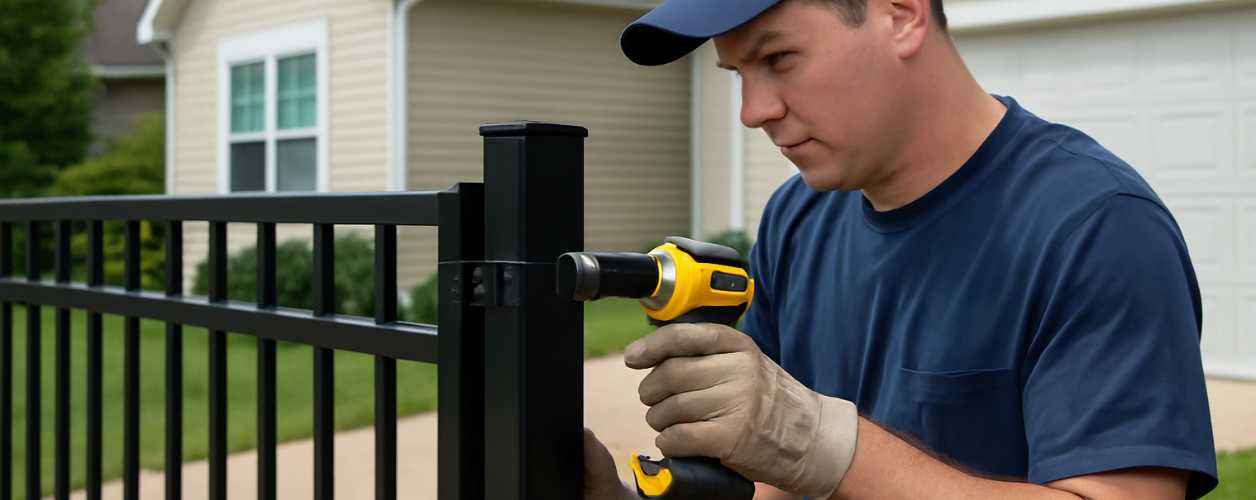
Find Trusted Gate Installers Near You
A gate does more than mark an entrance. It defines your property's first impression, provides security, contains children and pets, and adds measurable value to your home or business. Professional gate installers handle everything from simple garden gates to sophisticated automated entry systems that integrate with your smartphone. The work involves precise excavation, concrete footings, structural welding or assembly, electrical wiring for automated systems, and careful alignment that ensures smooth operation for years.
Homeowners commonly seek gate installation services when they purchase a new property lacking a defined entry, after adopting pets or having children who need a secure outdoor space, or when updating an older manual gate that has become difficult to operate. Property managers often require commercial gate contractors to control vehicle access at apartment complexes, while business owners need reliable security gate installers to protect equipment, inventory, and facilities after hours. In each scenario, the gate must function reliably day after day, often in harsh weather conditions. A gate that sags, binds, or fails to latch creates both a security risk and a liability. Professional installation addresses these concerns through proper foundation work, correct hardware specification, and thorough testing under real-world conditions.
Gate installation combines elements of structural engineering, electrical work, and finish carpentry or metalwork depending on materials. Attempting a DIY gate installation often leads to posts that shift with frost, gates that drag on the ground within months, and automated openers that burn out from improper setup. Experienced residential gate installation teams understand soil conditions, load calculations, and the specific requirements of different gate styles. They also navigate local building codes, utility marking requirements, and property line considerations that protect you from future disputes.
Your Future Gate Installers Hero Is Just One Task Away — Let’s Find Them
Types of Services Provided by Gate Installation Professionals
The gate installation industry covers a wide spectrum of project types. Understanding what services are available helps you communicate your needs clearly and find the right specialist for your specific situation.
- Residential driveway gate installation — Custom or pre-fabricated gates for single-family homes, including swing and sliding designs in materials ranging from wrought iron to aluminum and wood.
- Commercial and industrial gate systems — Heavy-duty sliding gates, cantilever designs, and barrier arm gates for warehouses, distribution centers, and secured lots requiring frequent daily cycles.
- Automatic gate opener installation and retrofitting — Adding motors, sensors, and control panels to existing manual gates or upgrading outdated automation on current systems.
- Custom gate design and fabrication — Working with metal fabricators or woodworkers to create unique entry gates that match architectural styles, from modern horizontal slat designs to ornate traditional patterns.
- Security gate and access control integration — Combining physical gates with keypad entry, card readers, intercom systems, and smartphone-based controls for managed access.
- Pool and garden gate installation — Code-compliant safety gates with self-closing hinges and specific latch heights required around swimming pools, plus decorative garden entry gates.
- Farm and ranch gate installation — Wide-span tube gates, wire-filled utility gates, and heavy-duty posts for agricultural properties, often with manual or solar-powered automation.
- Gate repair and preventative maintenance — Realignment of sagging gates, replacement of worn hinges and rollers, track repairs, and seasonal service to prevent failures.
When Should You Hire a Professional Gate Installer?
Some gate issues announce themselves loudly, while others develop gradually until a failure occurs. Recognizing the right time to bring in professional gate installers prevents security gaps and more expensive emergency repairs later. If your existing gate scrapes the ground when opening, produces grinding noises, or requires considerable physical effort to move, the underlying structure has likely shifted or hardware has worn beyond simple adjustment. These symptoms rarely resolve on their own and tend to accelerate if ignored.
Safety concerns should trigger immediate action. A gate that suddenly closes too quickly, fails to stop when encountering an obstruction, or no longer latches securely creates liability exposure for homeowners and businesses alike. Automated systems that operate erratically may have failing sensors or control boards that require diagnosis from automatic gate installation experts. Additionally, any gate surrounding a swimming pool must meet strict safety codes — if yours doesn't self-close, self-latch at the correct height, or open outward from the pool area, you need professional attention without delay.
Property changes often necessitate new gate work. Building an accessory dwelling unit, adding a home business with customer visits, or acquiring equipment that needs secure outdoor storage all change how your entry points should function. Rather than adapting an existing gate that was never designed for those demands, consulting driveway gate installers early in your planning process ensures the final result meets both current and anticipated needs.
How the Gate Installation Process Typically Works
Understanding the sequence of a professional gate installation helps set realistic expectations and reduces anxiety for first-time clients. While every project differs based on scope, most follow a predictable pattern that ensures quality results.
Initial consultation and site assessment. The contractor visits your property to evaluate the installation location, measure the opening, check ground conditions, and discuss your preferences for materials, style, and automation features. They'll note any obstacles like underground utilities, nearby trees with invasive roots, or sloping terrain that affects gate design. This visit also clarifies your primary goals — whether security, aesthetics, pet containment, or a combination drives the project.
Design recommendations and detailed estimate. Based on site findings, the installer presents gate options suited to your property. For custom gates, this may involve sketches or digital renderings. The estimate breaks down costs for materials, labor, concrete work, automation equipment, electrical connections, and any permitting fees required locally.
Scheduling and material procurement. After approving the proposal, the contractor orders materials and coordinates with any subcontractors needed for concrete or electrical work. Lead times vary significantly — stock aluminum gates might arrive in days, while custom wrought iron pieces can take weeks to fabricate and finish.
Site preparation and post setting. On installation day, the crew marks utility locations, excavates holes for gate posts according to local frost depth requirements, sets posts in concrete, and allows proper curing time. This foundation step largely determines how well the gate performs over decades.
Gate hanging and hardware installation. Once posts are set and concrete has cured sufficiently, the gate itself is mounted, hinges are adjusted, and locks or latches are installed. For sliding gates, the track or cantilever system goes in at this stage.
Automation and testing. If the project includes electric gate installation services, technicians mount the opener motor, run wiring, install safety sensors and control devices, and program remotes or access systems. They then cycle the gate dozens of times, adjusting force settings and travel limits until operation is smooth and safe.
Final walkthrough and maintenance guidance. The lead installer demonstrates operation, explains basic maintenance requirements, provides warranty documentation, and confirms you're comfortable with all features before considering the job complete.
Pricing Factors and Estimated Costs
Gate installation costs vary widely based on materials, size, automation requirements, and site conditions. The table below provides general ranges for common project types across the USA market, though actual quotes may differ based on your specific circumstances, local labor rates, and material availability.
| Project Type | Typical Cost Range (Installed) |
|---|---|
| Simple garden gate (wood, manual, single) | $400 – $1,200 |
| Residential driveway swing gate (aluminum/steel, manual) | $1,500 – $4,000 |
| Residential driveway swing gate with automation | $3,500 – $8,500 |
| Sliding driveway gate with automation | $4,500 – $12,000 |
| Custom wrought iron double gate with automation | $8,000 – $20,000+ |
| Commercial sliding gate system (heavy-duty) | $10,000 – $30,000+ |
| Gate opener retrofit on existing gate | $1,200 – $3,500 |
Several factors significantly influence your final cost. Gate material choice sits at the top — aluminum costs less than wrought iron and resists corrosion naturally, while steel offers strength at moderate pricing but requires ongoing rust prevention. Wood gates provide classic aesthetics at lower entry prices but demand regular maintenance. Gate size and weight determine the required opener power and post dimensions; heavier gates need stronger motors and deeper footings. Site access challenges, such as tight spaces for equipment or difficult terrain, add labor hours. Electrical work adds cost when power must be trenched to the gate location. Finally, access control features like intercoms, vehicle detection loops, or smartphone integration increase both equipment and programming costs.
Why Professional Installation Justifies the Investment
The difference between a professionally installed gate and a weekend DIY project becomes apparent within the first year, often sooner. Licensed gate installation contractors bring specialized knowledge that prevents the most common failure points: posts that lean, gates that bind, and automation that malfunctions. They understand that a 300-pound gate swinging on its hinges exerts tremendous force on the supporting structure, and they calculate post depth, concrete volume, and hinge specifications accordingly.
Warranty protection alone often justifies professional installation. Most quality gate openers and access control equipment carry manufacturer warranties that are void if not installed by qualified technicians. When a motor fails or a control board malfunctions, having documentation from professional installation typically means the difference between a covered replacement and an out-of-pocket expense. Beyond equipment warranties, many professional gate installers offer workmanship guarantees that cover adjustments and corrections for a specified period after completion.
Safety cannot be overstated. Automated gates exert enough force to cause serious injury if improperly set up. Professional installers configure obstacle detection sensors, set appropriate closing forces, and install required safety devices like photo eyes and contact edges. They also ensure that installations near pools comply with mandatory self-closing and self-latching requirements that protect children. The liability exposure from a non-compliant or unsafely configured gate far exceeds the cost of professional installation.
Your Future Gate Installers Hero Is Just One Task Away — Let’s Find Them
How to Select the Right Gate Installation Company
Verify Licensing and Insurance
Ask for contractor license numbers and verify them with your state's licensing board. Confirm that the company carries both general liability insurance and workers' compensation coverage. Gate installation involves heavy materials, power tools, and sometimes electrical work — you should never assume risk for injuries that occur on your property during the project.
Assess Experience With Your Specific Gate Type
A contractor who primarily installs residential wood gates may not have the expertise to properly configure a commercial sliding gate with access control. Ask to see examples of projects similar to yours, and inquire about any specialized certifications related to specific gate automation brands or systems.
Read Reviews and Check References
Look beyond star ratings to read detailed customer experiences. Pay attention to how companies responded when problems arose — even excellent contractors encounter unexpected site conditions, and their response reveals their commitment to customer satisfaction. Request references for projects completed at least one year ago so you can ask about long-term performance.
Evaluate Their Communication and Process Clarity
A contractor who provides a detailed written estimate, explains what's included and excluded, and communicates timelines clearly from the first interaction is more likely to deliver a smooth project. Vague proposals, pressure to decide immediately, or unwillingness to answer questions are all red flags.
Compare Warranty Terms
Understand exactly what is covered and for how long. Some companies offer separate warranties on materials, labor, and automation components. Know who to contact and what to expect if an issue arises six months or two years after installation.
Common Problems Customers Encounter
- Underground utility damage during excavation. Even with utility marking services, inexperienced installers sometimes strike irrigation lines, landscape lighting wires, or shallow conduits. Confirm that your contractor carries insurance for accidental damage and has a clear process for remediation if it occurs.
- Mismatched expectations on automation features. Customers sometimes assume all automated gates include smartphone control or intercom capability. Discuss every access method you want during the design phase — keypad, remote, phone app, intercom, vehicle sensors — so nothing is treated as an afterthought requiring costly retrofitting.
- Concrete curing delays that extend project timelines. Post footings require adequate curing time before gates are hung, especially for heavy automated systems. Rushing this step guarantees future alignment problems. Your contractor should clearly communicate how weather and gate weight affect the timeline.
- Inadequate power supply to gate location. Automation requires reliable electricity. If the nearest power source is distant or existing wiring is undersized, additional electrical work adds cost. Discuss power requirements early so this isn't a surprise after posts are already set.
- Poor cleanup after concrete work. Post-setting involves digging and pouring concrete, which can leave soil piles, concrete residue, and disturbed landscaping. Establish cleanup expectations in writing before work begins.
Maintenance Practices That Extend Gate Life
- Inspect hinges and hardware every three months. Tighten any loose bolts, lubricate pivot points with appropriate grease, and check for rust formation on metal components before it spreads beneath the finish.
- Clean gate tracks monthly for sliding systems. Debris accumulation in the track is the leading cause of sliding gate malfunctions. Remove leaves, gravel, and dirt regularly, and check that drain holes in the track remain clear.
- Test safety sensors bi-monthly. Wave an object in front of photo eyes while the gate closes to confirm it reverses immediately. Clean sensor lenses with a soft cloth to prevent false readings from dust or spider webs.
- Maintain wood gate finishes annually. Sand any rough spots, apply fresh sealant or paint, and inspect for rot at joints and where wood contacts hardware. Catch these issues early and a wood gate can last decades.
- Keep hinges and latches properly adjusted. Changes in temperature and ground moisture cause minor post movement over time. Addressing small misalignments promptly prevents the uneven wear that leads to major structural problems.
- Schedule professional service every one to two years for automated systems. Technicians can check motor function, battery backups, ground loop integrity, and control board health — catching failing components before they cause complete system shutdowns.
Related Categories for Gate Installers
Find Gate Installers in States
- Gate Installers in Alabama
- Gate Installers in Alaska
- Gate Installers in Arizona
- Gate Installers in Arkansas
- Gate Installers in California
- Gate Installers in Colorado
- Gate Installers in Connecticut
- Gate Installers in Delaware
- Gate Installers in Florida
- Gate Installers in Georgia
- Gate Installers in Hawaii
- Gate Installers in Idaho
- Gate Installers in Illinois
- Gate Installers in Indiana
- Gate Installers in Iowa
- Gate Installers in Kansas
- Gate Installers in Kentucky
- Gate Installers in Louisiana
- Gate Installers in Maine
- Gate Installers in Maryland
- Gate Installers in Massachusetts
- Gate Installers in Michigan
- Gate Installers in Minnesota
- Gate Installers in Mississippi
- Gate Installers in Missouri
- Gate Installers in Montana
- Gate Installers in Nebraska
- Gate Installers in Nevada
- Gate Installers in New Hampshire
- Gate Installers in New Jersey
- Gate Installers in New Mexico
- Gate Installers in New York
- Gate Installers in North Carolina
- Gate Installers in North Dakota
- Gate Installers in Ohio
- Gate Installers in Oklahoma
- Gate Installers in Oregon
- Gate Installers in Pennsylvania
- Gate Installers in Rhode Island
- Gate Installers in South Carolina
- Gate Installers in South Dakota
- Gate Installers in Tennessee
- Gate Installers in Texas
- Gate Installers in Utah
- Gate Installers in Vermont
- Gate Installers in Virginia
- Gate Installers in Washington
- Gate Installers in West Virginia
- Gate Installers in Wisconsin
- Gate Installers in Wyoming
Answers to Your Common Questions
Gate installers can handle a wide range of gate types, including driveway gates, pedestrian gates, garden gates, electric or automatic gates, sliding gates, swing gates, security gates, and custom-built gates for residential, commercial, or agricultural properties.
Gate installation costs in the U.S. typically range from $700 to $4,000 depending on the gate type, materials, automation, and labor. A simple manual wooden gate might cost under $1,000, while a fully automated steel or aluminum driveway gate can exceed $6,000 with accessories and wiring.
Yes, many gate installers specialize in automatic gate systems with remote control, keypad entry, vehicle sensors, and smart home integrations. These gates are popular for driveways and commercial access points, providing enhanced convenience and security.
Permit requirements vary by location. Simple manual gates may not require a permit, but automatic gates, large entry gates, or installations that involve electrical work or fencing near property lines may need approval. Your gate installer can usually assist with permit guidance.