
Find Door Installation in Your Area
- Door Installation in Montgomery
- Door Installation in Juneau
- Door Installation in Phoenix
- Door Installation in Little Rock
- Door Installation in Sacramento
- Door Installation in Denver
- Door Installation in Hartford
- Door Installation in Dover
- Door Installation in Tallahassee
- Door Installation in Atlanta
- Door Installation in Honolulu
- Door Installation in Boise
- Door Installation in Springfield
- Door Installation in Indianapolis
- Door Installation in Des Moines
- Door Installation in Topeka
- Door Installation in Frankfort
- Door Installation in Baton Rouge
- Door Installation in Augusta
- Door Installation in Annapolis
- Door Installation in Boston
- Door Installation in Lansing
- Door Installation in Saint Paul
- Door Installation in Jackson
- Door Installation in Jefferson City
- Door Installation in Helena
- Door Installation in Lincoln
- Door Installation in Carson City
- Door Installation in Concord
- Door Installation in Trenton
- Door Installation in Santa Fe
- Door Installation in Albany
- Door Installation in Raleigh
- Door Installation in Bismarck
- Door Installation in Columbus
- Door Installation in Oklahoma City
- Door Installation in Salem
- Door Installation in Harrisburg
- Door Installation in Providence
- Door Installation in Columbia
- Door Installation in Pierre
- Door Installation in Nashville
- Door Installation in Austin
- Door Installation in Salt Lake City
- Door Installation in Montpelier
- Door Installation in Richmond
- Door Installation in Olympia
- Door Installation in Charleston
- Door Installation in Madison
- Door Installation in Cheyenne
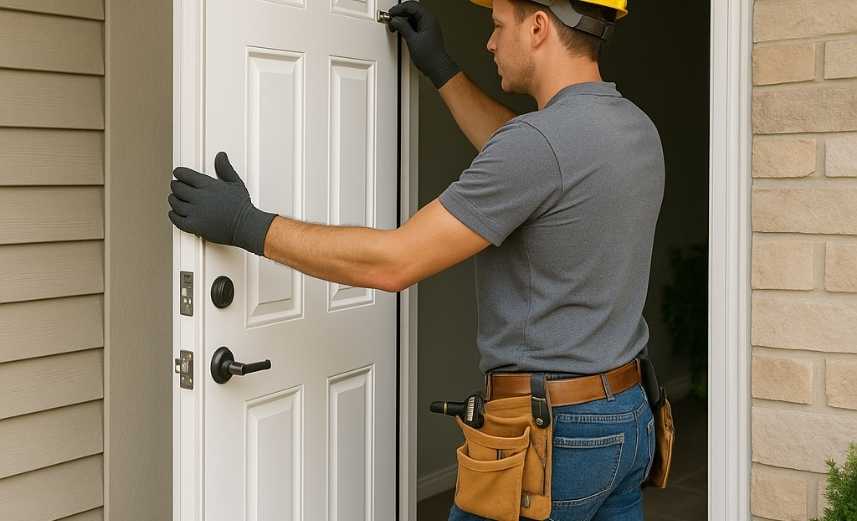
Professional Door Installation Services Available in Your Area
Door installation goes far beyond simply hanging a slab on hinges. It involves precise measurement, frame construction or retrofitting, hardware alignment, weather sealing, and ensuring the door operates smoothly while meeting security and energy efficiency standards. Whether you are a homeowner upgrading your entryway, a property manager renovating a rental unit, or a business owner securing a commercial space, professional door installation ensures the barrier between interior and exterior spaces functions correctly from day one.
People seek door installation services during new construction, major renovations, or when existing doors become difficult to operate, visibly damaged, or no longer provide adequate insulation. A door that sticks, sags, or lets drafts through does more than annoy—it compromises security, raises energy bills, and can indicate structural issues with the frame. Experienced installers address these underlying problems rather than masking symptoms.
Hiring trained professionals matters because a door carries significant weight and must align perfectly within its opening. Mistakes in leveling, shimming, or fastening create long-term problems including water intrusion, air leaks, and premature hardware failure. Professionals bring specialized tools, understand load-bearing considerations, and know how to work with different wall materials. They also handle disposal of old doors and ensure the installation complies with fire safety and egress requirements where applicable. The convenience of having the job done right the first time, backed by workmanship warranties, makes professional installation a practical investment rather than an expense.
Your Future Door Installation Hero Is Just One Task Away — Let’s Find Them
Common Door Installation Services Available
The door installation category covers a wide range of residential and commercial needs. Service professionals on our platform typically offer the following core services tailored to different property types and door styles:
- Front door and entryway installation – Complete replacement or new installation of main entry doors including steel, fiberglass, and solid wood options with weatherproofing and security hardware integration.
- Interior door installation – Hanging bedroom, bathroom, closet, and hallway doors including hollow-core, solid-core, and paneled designs with knob and hinge fitting.
- Sliding and patio door installation – Track-mounted glass sliding doors, multi-panel patio systems, and French sliding doors requiring precise track alignment and smooth operation.
- French door installation – Double-door systems with glass panes, commonly used for patios, home offices, or dining room entries, demanding exact symmetrical hanging.
- Bifold and pocket door installation – Space-saving door solutions that fold or slide into wall cavities, popular for closets, laundry rooms, and tight hallways.
- Storm and security door installation – Protective outer doors that shield primary entry doors from weather while adding an extra layer of security and ventilation options.
- Commercial door installation – Heavy-duty aluminum, steel, or glass doors for offices, retail spaces, warehouses, and public buildings including panic bar and closer installation.
- Fire-rated door installation – Code-compliant doors designed to resist fire spread, required in attached garages, multi-unit buildings, and commercial properties with specific certification standards.
- Custom and specialty door installation – Bespoke doors with unique dimensions, materials, glass inserts, or architectural details requiring custom framing and expert fitting.
- Door frame installation and repair – New frame construction or existing frame repair for properties where the surrounding structure has warped, rotted, or shifted over time.
Signs You Need Professional Door Installation Rather Than a Quick Fix
Many door problems develop gradually, making it easy to ignore them until they become serious. Recognizing when professional attention is needed prevents larger structural issues and security vulnerabilities. Visible gaps around the door that let in light or drafts indicate the door has warped or the frame has settled unevenly. A door that scrapes the floor or sticks in the frame often points to hinge wear, foundation movement, or moisture damage rather than simple misalignment.
Difficulty locking or latching is a security red flag. If the deadbolt no longer aligns with the strike plate, the door or frame has shifted enough to potentially allow forced entry. Water stains, soft spots, or visible rot on wooden doors and frames signal moisture infiltration that will only worsen without replacement. In commercial settings, doors that slam shut too quickly or fail to close properly may violate accessibility requirements or fire codes.
Energy efficiency concerns also warrant professional evaluation. Older doors without proper insulation or damaged weatherstripping allow conditioned air to escape, increasing heating and cooling costs. Upgrading to energy-efficient models with professional installation ensures the thermal barrier remains intact. Safety is another factor—doors with broken glass panels, compromised frames, or failed locking mechanisms create urgent security risks that same-day professional service can address.
What to Expect During a Door Installation Project
Understanding the typical process helps property owners prepare and reduces surprises. While every project varies based on door type and property conditions, most professional installations follow a structured workflow designed for quality and efficiency.
The process begins with an initial consultation where the installer discusses your needs, preferences, and budget. They ask about door style, material preferences, glass options, hardware choices, and any specific concerns like energy efficiency or noise reduction. This conversation helps narrow down suitable options before measurements are taken.
Next comes the on-site inspection and measurement phase. The installer examines the existing door, frame, threshold, and surrounding wall structure. They check for plumb, level, and square conditions, identify any hidden damage, and note electrical wiring or other obstacles. Accurate measurements are taken in multiple spots because openings are rarely perfectly uniform. For new construction, this step ensures the rough opening matches door specifications.
After measurements, you receive a detailed estimate covering labor, materials, door unit cost, hardware, disposal of old components, and any additional work like frame repair or trim replacement. Once approved, scheduling occurs—many standard door replacements complete within a single day, while custom orders may require manufacturing lead time.
On installation day, the crew removes the existing door and inspects the rough opening. They address any rot, insect damage, or structural issues before proceeding. The new frame is set, shimmed, and anchored securely with careful attention to plumb and level alignment. The door slab is hung, hardware installed, and weatherstripping applied. The installer tests operation repeatedly—opening, closing, latching, and locking—making micro-adjustments until everything moves smoothly.
Final steps include insulating gaps around the frame, installing or replacing interior and exterior trim, caulking exterior seams, and testing the seal. The installer walks through the completed work with you, demonstrates operation, explains basic maintenance, and ensures the work area is clean with old materials removed.
Understanding Door Installation Costs and What Influences Pricing
Door installation costs in the United States vary widely based on door type, material, project complexity, and location. Basic interior door installation typically ranges from $150 to $400 per door including labor, while exterior door replacement averages $500 to $2,500 depending on materials and frame work required. High-end custom entry systems with sidelights can reach $5,000 to $10,000 or more.
The table below provides general cost ranges homeowners and businesses can expect for common door installation scenarios:
| Door Type | Typical Cost Range (Including Labor) | Key Cost Drivers |
|---|---|---|
| Interior hollow-core door | $150 – $350 | Pre-hung vs. slab, trim work needed |
| Interior solid-core door | $250 – $600 | Door weight, hardware upgrades |
| Exterior steel door | $500 – $1,500 | Frame condition, paint/finish |
| Exterior fiberglass door | $800 – $2,500 | Glass inserts, sidelights, finish level |
| Sliding patio door | $1,200 – $4,000 | Glass type, track system quality, size |
| French doors (pair) | $1,500 – $5,000 | Material, glass options, hardware |
| Commercial aluminum door | $1,000 – $3,500 | Closer systems, panic hardware, width |
| Custom wood entry door | $3,000 – $10,000+ | Wood species, craftsmanship, finish |
Several factors influence final pricing. Labor rates differ by state and city, with metropolitan areas generally commanding higher hourly rates. Project urgency affects cost—same-day or weekend installations often carry premium charges. The condition of the existing rough opening plays a major role; discovering rot or structural damage mid-project adds labor and materials. Door material and construction quality directly impact price, with solid wood and high-end fiberglass costing more than basic steel or hollow-core options. Additional work like trim replacement, painting, staining, or hardware upgrades increases the total. Permits may be required for certain exterior or structural modifications, adding municipal fees. Travel distance for contractors serving rural areas can also factor into quotes. Always request itemized estimates to understand exactly what is included.
Why Professional Installation Outweighs DIY Attempts
Installing a door appears deceptively simple in online tutorials, but the reality involves skills developed through repeated practice. Licensed door installers bring value that extends well beyond the installation day through workmanship quality, safety assurance, and long-term performance.
Professional installers understand the physics of door operation—how weight distribution, hinge placement, and frame anchoring affect daily use over years. They own specialized tools like laser levels, multi-tool oscillators for precise cuts, and heavy-duty shimming systems that most homeowners do not keep on hand. These tools enable the micro-adjustments that separate a door that works from one that works smoothly and quietly.
Warranty protection is another significant advantage. Most door manufacturers require professional installation for warranty validity. Attempting DIY installation and damaging an expensive door usually voids any recourse. Professional installers carry liability insurance, so if something goes wrong during installation, you are protected—a safety net absent from DIY projects.
The time savings alone justify professional help for many property owners. An experienced two-person crew can complete a standard exterior door replacement in three to four hours, including cleanup. A DIY attempt by someone learning as they go often consumes an entire weekend and may still result in subpar performance. Professionals also identify and address secondary issues—rotten subfloors, insect damage, improper flashing—before they become major structural problems hidden behind trim.
Long-term cost considerations favor professional installation. A properly installed door maintains its seal for years, reducing energy costs and preventing water damage. Poorly installed doors wear hardware prematurely, develop air leaks, and may need complete reinstallation within a few years—doubling the effective cost compared to doing it right initially.
Your Future Door Installation Hero Is Just One Task Away — Let’s Find Them
How to Choose the Right Door Installation Professional
Selecting a qualified installer requires evaluating several factors beyond price alone. A thoughtful vetting process helps ensure the finished work meets expectations and lasts as intended.
Licensing and Certifications
Verify that the installer holds appropriate licenses for your state. Some states require specific contractor licensing for door and window work, particularly for exterior installations involving structural openings. Ask about manufacturer certifications—installers certified by door brands often receive specialized training and can offer extended warranties unavailable through non-certified contractors.
Experience With Similar Projects
Request examples of previous work matching your door type. Installing a pre-hung interior door differs substantially from fitting a heavy custom entry system or multi-panel sliding glass unit. An installer experienced with your specific project type works more efficiently and anticipates common challenges before they become problems.
Customer Reviews and Ratings
Read reviews across multiple platforms rather than relying solely on testimonials displayed on company websites. Look for patterns in feedback—comments about punctuality, cleanup habits, and how installers handled unexpected issues reveal more about reliability than star ratings alone.
Response Time and Availability
Pay attention to communication quality from the first contact. Installers who respond promptly, answer questions thoroughly, and provide clear timelines tend to maintain that professionalism throughout the project. Confirm realistic scheduling expectations, especially during peak construction seasons when quality installers book weeks ahead.
Upfront Estimates and Transparent Pricing
Expect detailed written estimates that break down labor, materials, door unit cost, and any ancillary work. Be cautious of quotes that seem unusually low—they may exclude necessary steps like old door disposal, trim work, or addressing frame damage discovered mid-project.
Warranty and Satisfaction Guarantees
Ask specifically about workmanship warranties. Reputable installers typically offer at least one year of labor warranty covering installation-related defects. Understand what the warranty includes and excludes, and get warranty terms in writing as part of the contract.
Equipment, Materials, and Technology
Inquire about the hardware and sealing products the installer uses. Quality weatherstripping, shims, fasteners, and insulation materials affect long-term performance. Installers who invest in modern tools and premium consumables demonstrate commitment to durable results.
Insurance Coverage and Business Credentials
Confirm the installer carries both general liability insurance and workers' compensation coverage. Request proof of insurance and verify it directly with the provider if the project value is substantial. Established businesses should willingly provide this documentation.
Problems Customers Often Face With Door Installation Services
Even with careful selection, certain issues arise frequently enough that informed customers should watch for them. Understanding these common pitfalls helps you advocate for quality service and recognize warning signs early.
- Inaccurate measurements leading to gaps – Some installers measure only once or at a single point, missing that openings are often out of square. The result is uneven gaps, drafts, and difficult operation. Proper measurement requires checking multiple points horizontally, vertically, and diagonally.
- Rushed installations that ignore frame damage – Installers working on tight schedules may install a new door into a compromised frame rather than addressing rot or structural issues first. This guarantees premature failure and wastes the investment in a new door.
- Hidden fees surfacing mid-project – A low initial quote sometimes excludes disposal charges, trim work, hardware, or basic weatherproofing. These add-ons appear after work begins, making it difficult to compare quotes fairly or refuse the additional costs.
- Poor communication about scheduling and delays – Missed appointments or installers arriving hours late without notice disrupt your schedule and suggest disorganization that may extend to the work quality itself.
- Inadequate weather sealing – Exterior door installations require proper flashing, sill pan installation, and caulking to prevent water intrusion. Skipping or rushing these steps leads to hidden damage behind trim that may go unnoticed for years.
- Improper disposal of old doors and debris – Some contractors leave old doors, packaging, and construction waste for the property owner to handle. Clarifying cleanup and disposal responsibilities before work begins prevents this frustration.
- Mismatched trim or sloppy finishing work – The final appearance matters. Installers without finish carpentry skills may leave uneven trim joints, excessive caulk lines, or visible nail holes that detract from the new door's appearance.
Keeping Your New Doors in Excellent Condition
After professional installation, simple maintenance habits extend door lifespan, maintain smooth operation, and protect your investment. Most tasks require minimal time and no special skills.
- Inspect weatherstripping seasonally – Check rubber gaskets, door sweeps, and foam tape for compression set, tears, or detachment. Replace worn weatherstripping before seasonal temperature extremes to maintain energy efficiency.
- Lubricate hinges and hardware annually – Apply a light machine oil or silicone-based lubricant to hinge pins and moving lock components. Avoid heavy grease that attracts dirt and gums up mechanisms over time.
- Tighten hardware screws every six months – Frequent door use gradually loosens hinge screws and lock faceplates. A quick tightening prevents sagging and maintains proper alignment before problems develop.
- Clean door surfaces appropriately by material – Wood doors benefit from dusting and occasional polish suitable for their finish. Steel and fiberglass doors clean easily with mild soap and water. Glass inserts need regular cleaning with appropriate glass products to maintain clarity.
- Monitor exterior door finishes – Sun exposure and moisture degrade paint and clear finishes over time. Refinish wood doors before the protective coating fails completely, and touch up scratches on steel doors promptly to prevent rust.
- Check and clean sliding door tracks – Debris in tracks causes rollers to wear unevenly and doors to operate roughly. Vacuum tracks regularly and wipe them clean, but avoid petroleum-based lubricants that attract dirt.
- Test auto-closers and panic hardware on commercial doors – Business owners should verify that closers operate at the correct speed and latch doors fully. Malfunctioning commercial hardware creates liability risks and code violations.
- Address minor issues immediately – A slight stick, small crack, or minor draft worsens over time. Prompt attention to small problems prevents them from escalating into expensive repairs or complete door replacement.
Related Categories for Door Installation
Find Door Installation in States
- Door Installation in Alabama
- Door Installation in Alaska
- Door Installation in Arizona
- Door Installation in Arkansas
- Door Installation in California
- Door Installation in Colorado
- Door Installation in Connecticut
- Door Installation in Delaware
- Door Installation in Florida
- Door Installation in Georgia
- Door Installation in Hawaii
- Door Installation in Idaho
- Door Installation in Illinois
- Door Installation in Indiana
- Door Installation in Iowa
- Door Installation in Kansas
- Door Installation in Kentucky
- Door Installation in Louisiana
- Door Installation in Maine
- Door Installation in Maryland
- Door Installation in Massachusetts
- Door Installation in Michigan
- Door Installation in Minnesota
- Door Installation in Mississippi
- Door Installation in Missouri
- Door Installation in Montana
- Door Installation in Nebraska
- Door Installation in Nevada
- Door Installation in New Hampshire
- Door Installation in New Jersey
- Door Installation in New Mexico
- Door Installation in New York
- Door Installation in North Carolina
- Door Installation in North Dakota
- Door Installation in Ohio
- Door Installation in Oklahoma
- Door Installation in Oregon
- Door Installation in Pennsylvania
- Door Installation in Rhode Island
- Door Installation in South Carolina
- Door Installation in South Dakota
- Door Installation in Tennessee
- Door Installation in Texas
- Door Installation in Utah
- Door Installation in Vermont
- Door Installation in Virginia
- Door Installation in Washington
- Door Installation in West Virginia
- Door Installation in Wisconsin
- Door Installation in Wyoming
Answers to Your Common Questions
Door installation professionals can handle a wide range of interior and exterior doors including front entry doors, sliding patio doors, French doors, bi-fold closet doors, pocket doors, storm doors, barn doors, and security doors. Many also offer custom door solutions for unique openings or architectural styles.
The average cost to install a standard door in the U.S. ranges from $300 to $1,200, depending on the type of door, materials, and labor involved. Entry doors with advanced security features or heavy-duty materials can cost over $2,000 including installation.
Most standard door installations take between 2 to 4 hours. However, if structural modifications, custom fitting, or trim and paint work are required, the job may take a full day. Complex installations like French doors or sliding glass panels may also require more time.
Yes, installing a new, energy-efficient door — especially for exterior entrances — can help reduce drafts and lower heating and cooling costs. Look for insulated or ENERGY STAR®-rated doors for maximum thermal performance and comfort.