
Find Home Staging in Your Area
- Home Staging in Montgomery
- Home Staging in Juneau
- Home Staging in Phoenix
- Home Staging in Little Rock
- Home Staging in Sacramento
- Home Staging in Denver
- Home Staging in Hartford
- Home Staging in Dover
- Home Staging in Tallahassee
- Home Staging in Atlanta
- Home Staging in Honolulu
- Home Staging in Boise
- Home Staging in Springfield
- Home Staging in Indianapolis
- Home Staging in Des Moines
- Home Staging in Topeka
- Home Staging in Frankfort
- Home Staging in Baton Rouge
- Home Staging in Augusta
- Home Staging in Annapolis
- Home Staging in Boston
- Home Staging in Lansing
- Home Staging in Saint Paul
- Home Staging in Jackson
- Home Staging in Jefferson City
- Home Staging in Helena
- Home Staging in Lincoln
- Home Staging in Carson City
- Home Staging in Concord
- Home Staging in Trenton
- Home Staging in Santa Fe
- Home Staging in Albany
- Home Staging in Raleigh
- Home Staging in Bismarck
- Home Staging in Columbus
- Home Staging in Oklahoma City
- Home Staging in Salem
- Home Staging in Harrisburg
- Home Staging in Providence
- Home Staging in Columbia
- Home Staging in Pierre
- Home Staging in Nashville
- Home Staging in Austin
- Home Staging in Salt Lake City
- Home Staging in Montpelier
- Home Staging in Richmond
- Home Staging in Olympia
- Home Staging in Charleston
- Home Staging in Madison
- Home Staging in Cheyenne
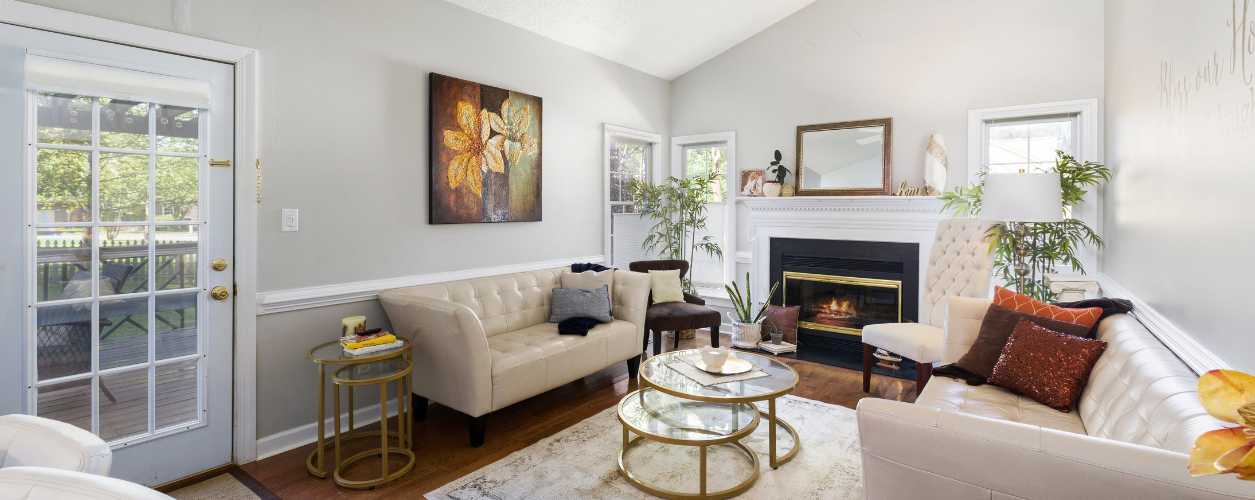
Transform Your Property’s Appeal with Professional Home Staging Experts Near You
Home staging is the art and science of preparing a property for sale or rent by enhancing its visual appeal and creating a lifestyle-driven atmosphere that attracts the broadest pool of potential buyers. Unlike interior design, which focuses on personal taste and long-term living, home staging is a strategic marketing tool designed to highlight a home’s strengths, minimize its weaknesses, and help buyers emotionally connect with the space. Professional home stagers use furniture arrangement, lighting, color palettes, and carefully selected decor to transform empty or lived-in properties into inviting, move-in-ready showcases.
This service is relevant in a wide range of situations. A homeowner preparing to list a family property, a real estate agent looking to sell a luxury estate quickly, or a property manager trying to lease vacant apartments all benefit from professional staging. Even developers of new construction rely on model home staging experts to help prospective buyers visualize the lifestyle a floor plan offers. When a property sits on the market longer than expected, staging often becomes the critical differentiator that reignites buyer interest and leads to stronger offers.
Hiring experienced home staging professionals matters because their expertise extends far beyond simple decorating. They understand buyer psychology, current market trends, and the specific design language that photographs well for online listings. A trained stager knows how to establish proper flow, scale furniture correctly for each room, and neutralize a space so it appeals across demographics. Poorly executed or DIY staging can inadvertently highlight flaws, while professional property presentation specialists deliver a polished, cohesive look that translates into faster sales and higher perceived property value.
Your Future Home Staging Hero Is Just One Task Away — Let’s Find Them
Core Home Staging Services
The home staging industry covers a wide spectrum of specialized offerings tailored to different property types, budgets, and seller goals. Reputable providers typically deliver a combination of the following services:
- Occupied Home Staging: Working with the homeowner's existing furnishings to declutter, rearrange furniture, and introduce strategic decor accents that modernize and neutralize the space.
- Vacant Home Staging: Furnishing an entirely empty property with rented furniture, art, rugs, and accessories to create warmth, define rooms, and prevent the hollow feeling that unoccupied homes project.
- Luxury Home Staging: Curating high-end furnishings, original artwork, and premium materials to match the expectations of affluent buyers looking at upscale properties.
- Condo and Apartment Staging: Maximizing smaller square footage through space-saving furniture, clever layout choices, and light-enhancing techniques that make compact rooms feel open and functional.
- Model Home Staging: Designing full-scale interiors for new construction developments to help builders sell future phases by showing a highly aspirational yet attainable lifestyle.
- Open House Preparation: A focused service that fine-tunes a property immediately before a showing or open house, including lighting adjustments, minor styling tweaks, and ensuring every room photographs well.
- Furniture Rental Coordination: Sourcing, delivering, and professionally arranging short-term rental furniture packages, saving sellers from purchasing pieces they will not need in their next home.
- Real Estate Photography Staging: Preparing each room specifically for the camera lens by creating focal points, managing reflections, and styling vignettes that generate powerful online listing photos.
- Custom Styling Solutions: Targeted interventions such as kitchen and bathroom staging, master bedroom makeovers, or living room transformations that focus budget on the areas with the highest return on investment.
- Consultation and Report Services: A professional walkthrough where a stager provides a detailed, room-by-room written or verbal action plan that the homeowner can implement independently.
When Is It Time to Hire a Professional Stager?
Many sellers wonder whether staging is a necessity or an optional luxury. While every property can benefit from good presentation, certain scenarios make professional staging a strategic priority rather than a discretionary expense. When a listing has been active for several weeks with minimal showings or offers, staging often provides the refresh needed to change market perception. Similarly, owners selling a vacant home should understand that empty rooms appear smaller and lack emotional warmth in photographs, making vacant home staging contractors an essential investment.
High-end or architecturally unique homes present another clear case for professional involvement. Buyers in the luxury segment expect a turnkey experience and may struggle to see past dated furnishings or odd layouts without professional property styling services. Sellers who have already moved out or who reside in the home with heavy, personalized decor also face obstacles. An overload of family photos, bold paint colors, or cluttered surfaces prevents buyers from mentally moving in, and trained stagers know exactly how to edit and neutralize without making the home feel sterile.
Safety and liability concerns also arise when owners attempt to move heavy furniture or install large-scale staging elements without proper help. Professional staging companies carry insurance, bring appropriate moving equipment, and understand how to protect floors, walls, and entryways during the transformation. Additionally, properties built before modern code updates may benefit from staging that subtly addresses awkward transitions or dated built-ins, drawing the buyer's eye toward potential rather than problems.
How the Professional Staging Process Works
Understanding the typical workflow helps sellers and agents feel prepared and set realistic timelines. While each company has its own approach, the standard process follows a clear and logical progression designed to minimize stress for the property owner.
Step 1: Initial Consultation and Walkthrough. The stager visits the property to assess its condition, architectural style, target buyer demographic, and the agent’s pricing strategy. This on-site visit covers every room, exterior curb appeal, and the flow between spaces. The consultant takes measurements, photographs, and notes on existing furniture that could be repurposed.
Step 2: Customized Proposal and Pricing. Based on the walkthrough, the stager presents a detailed proposal outlining the recommended scope of work. This may include which rooms to stage, a furniture rental inventory list, decor selections, and any required minor repairs or paint recommendations. Pricing is transparent and tied to specific deliverables.
Step 3: Scheduling and Logistics Coordination. Once the proposal is approved, the staging company coordinates furniture delivery, accessory procurement, and the schedule for installation. For occupied homes, this phase includes instructing the homeowner on what to pack away, clean, or repair prior to staging day.
Step 4: Installation and Styling. The staging team arrives with the inventory and transforms the property in a single, efficient session. Furniture placement prioritizes traffic flow and focal points, while art, lighting, and greenery are layered in to create a cohesive, aspirational atmosphere. Professional stagers pay meticulous attention to details such as bed linens, towel folds, and table settings.
Step 5: Final Walkthrough and Photography Support. After installation, the stager walks the agent or seller through the finished property, explaining the design choices. Many stagers coordinate timing so the property is camera-ready for the real estate photographer immediately after staging, ensuring perfect alignment between the in-person experience and the online listing.
Step 6: De-staging and Removal. Once the property goes under contract or the rental term ends, the staging company returns to carefully remove all furnishings and decor, leaving the home in its original condition and handling all logistics so the seller has no physical labor to manage.
Pricing Factors and Estimated Costs
The cost of home staging varies widely depending on the scope, property size, and local market conditions. Across the United States, homeowners and agents can expect pricing structures built around consultation fees, monthly rental packages, and full-service staging contracts. Understanding the breakdown helps in comparing proposals from local home staging companies near me effectively.
| Service Type | Estimated Cost Range (USD) | Typical Duration |
|---|---|---|
| Initial Consultation (Walkthrough and Report) | $200 – $600 | 1–3 hours |
| Occupied Home Staging (per room) | $400 – $1,200 | 1–2 days installation |
| Vacant Home Staging (full property, furniture rental) | $2,000 – $6,500+ per month | Monthly rental, typical 2–4 months |
| Luxury Estate Staging | $10,000 – $25,000+ per month | Custom contract length |
| Model Home / New Construction Staging | $5,000 – $20,000+ | Based on builder contract |
| Furniture Rental Only (basic package) | $800 – $2,500 per month | Monthly, varies by room count |
Several variables significantly influence the final invoice. The number of rooms staged, the quality and style of furniture rented, and whether the property is vacant or occupied are primary cost drivers. High-end luxury home staging experts source premium designer pieces that command higher rental fees than standard inventory. Geographic location also plays a role, as labor and warehouse costs differ between metropolitan and rural markets. Additional charges may apply for rush jobs, long carry distances from truck to apartment, stair-only access, or the need for specialty artwork and oversized furniture. Most reputable companies provide a flat-rate proposal after an on-site evaluation, and sellers should clarify exactly which costs—delivery, installation, insurance, de-staging—are included in the quoted price.
Your Future Home Staging Hero Is Just One Task Away — Let’s Find Them
Why Professional Staging Delivers Real Value
Investing in a professional stager is not merely about aesthetics; it is a financial decision backed by a clear return on investment. Professionally staged homes generally sell faster and closer to the asking price than their unstaged counterparts, because buyers perceive them as well-maintained and move-in ready. The cost of staging is typically far less than a first price reduction, making it a preemptive strategy rather than a reactive expense. Skilled real estate staging services understand how to capture buyer attention within the critical first seconds of an online photo gallery, which is where the vast majority of purchasing decisions begin today.
Beyond speed and price, staging professionals bring logistical advantages that DIY attempts cannot match. A full service home staging company maintains a warehouse of inventory spanning multiple styles, from modern and minimalist to traditional and transitional. This means they can tailor the look to the home's architecture and the local buyer demographic without the seller purchasing a single item. They also manage delivery, assembly, and removal, protecting the seller from physical strain, time drain, and potential damage to the property during heavy lifting.
The insurance and warranty protections offered by licensed home staging professionals add another layer of security. Should a rented piece cause floor damage or an installation mishap occur, the staging company’s coverage handles the liability. Experienced stagers also ensure that staging elements do not obscure safety hazards, block egress windows, or violate fire codes, concerns that well-intentioned DIY sellers may overlook. Ultimately, the cost of professional staging is an investment in risk reduction, market speed, and top-dollar sale prices.
How to Choose the Right Home Staging Professional
Licensing, Certifications, and Insurance
Look for stagers who hold recognized industry credentials and carry comprehensive liability and property damage insurance. Certifications from accredited training programs indicate a commitment to professional standards, while proper coverage protects both the staging inventory and your property during the installation period.
Portfolio and Experience With Similar Properties
Ask to see a portfolio of recently completed projects that match your property type, whether a downtown condo, suburban family home, or luxury estate. A stager who primarily handles occupied residences may not have the rental inventory depth needed for vacant home staging contractors work, and vice versa. Choose a professional whose past results align with your specific goals.
Transparent Pricing and Detailed Contracts
Reputable stagers provide itemized proposals that clearly separate consultation fees, monthly rental charges, delivery costs, and de-staging fees. Avoid vague estimates or verbal agreements. A detailed contract should specify the rental period, renewal terms, damage responsibility, and exactly which rooms are included in the scope of work.
Customer Feedback and Agent Relationships
Read reviews that speak to timeliness, professionalism, and the stager’s ability to meet installation deadlines. Established relationships with top-producing real estate agents often signal reliability and consistent quality. Do not hesitate to request references from recent sellers who can speak to the full experience from consultation through de-staging.
Design Versatility and Inventory Range
A trustworthy staging company should demonstrate flexibility across design styles, avoiding a one-size-fits-all aesthetic. Ask about the freshness and condition of their rental inventory, particularly for high-traffic items like sofas, dining tables, and bedding. Modern home staging contractors with access to a wide, well-maintained warehouse can adapt to varied architectural styles and buyer expectations.
Common Problems Customers Face
- Staging That Feels Generic or Impersonal: Some providers reuse the same uninspired furniture and decor package in every property, failing to adapt to the home’s architecture or neighborhood. Ask to preview the proposed furniture selections before installation to ensure they complement your property’s unique character.
- Hidden Fees and Surprise Charges: Contracts that appear affordable may exclude delivery, stair carries, long-term rental extensions, or rush scheduling. Insist on an all-inclusive written quote and clarify what circumstances trigger additional billing before signing any agreement.
- Damage to Property During Move-In: Inexperienced crews may scratch hardwood floors, scuff walls, or damage door frames while moving heavy furniture. Verify that the company uses padded equipment, floor runners, and trained installation teams who treat the property with care.
- Poor Communication and Missed Deadlines: A stager who is slow to return calls or reschedules installation close to the listing date can derail an entire marketing plan. Work with professionals who have a proven track record of honoring scheduled commitments and maintaining open lines of communication with agents and sellers.
- Furniture That Photographs Poorly: Some staging looks good in person but falls flat in wide-angle real estate photography due to scale issues, reflective surfaces, or clashing patterns. Select a stager who understands how to style for the camera and has experience collaborating with professional real estate photographers.
- Staying Staged Too Long Without Renewal Terms: If a property lingers on the market, the initial rental contract may expire, leading to unexpected pressure to either extend at higher rates or de-stage while still active. Negotiate clear extension terms and renewal pricing upfront to avoid this predicament.
Service Maintenance and Tips After Staging
- Maintain a Photo-Ready Standard Daily: After the staging installation, commit to keeping every room in listing-photo condition. Beds should remain made with crisp linens, surfaces clear of mail and personal items, and bathrooms wiped down after each use. A five-minute daily reset preserves the original impact.
- Control Odors and Air Quality: Professional staging relies on a neutral sensory experience. Avoid cooking strong-smelling foods before showings, empty trash regularly, and consider using a subtle, high-quality air freshener or diffuser with a universally liked scent such as linen or citrus.
- Manage Natural and Artificial Lighting: The layered lighting the stager arranged is intentional. Open all blinds and curtains before showings, turn on every lamp, and replace any burned-out bulbs immediately. Well-lit rooms appear larger, more cheerful, and more welcoming in person and in supplemental photos.
- Protect Floors and High-Traffic Areas: Use felt pads under any owner-occupied furniture that remains, place washable mats at entry doors, and request that visitors remove shoes. These small precautions prevent the worn look that signals a property has been sitting on the market.
- Refresh Greenery and Florals: If the staging package includes live plants or fresh flowers, water them regularly and replace any that wilt. Artificial plants should be dusted to avoid a neglected appearance. Healthy greenery reinforces the impression of a cared-for, vibrant home.
- Schedule a Mid-Staging Touch-Up for Long Listings: If the property remains active beyond 60 days, consider having the stager return for a minor refresh. Swapping out a few accent pillows, updating artwork, or rotating seasonal decor can re-energize the listing without the cost of a full re-stage.
Related Categories for Home Staging
Find Home Staging in States
- Home Staging in Alabama
- Home Staging in Alaska
- Home Staging in Arizona
- Home Staging in Arkansas
- Home Staging in California
- Home Staging in Colorado
- Home Staging in Connecticut
- Home Staging in Delaware
- Home Staging in Florida
- Home Staging in Georgia
- Home Staging in Hawaii
- Home Staging in Idaho
- Home Staging in Illinois
- Home Staging in Indiana
- Home Staging in Iowa
- Home Staging in Kansas
- Home Staging in Kentucky
- Home Staging in Louisiana
- Home Staging in Maine
- Home Staging in Maryland
- Home Staging in Massachusetts
- Home Staging in Michigan
- Home Staging in Minnesota
- Home Staging in Mississippi
- Home Staging in Missouri
- Home Staging in Montana
- Home Staging in Nebraska
- Home Staging in Nevada
- Home Staging in New Hampshire
- Home Staging in New Jersey
- Home Staging in New Mexico
- Home Staging in New York
- Home Staging in North Carolina
- Home Staging in North Dakota
- Home Staging in Ohio
- Home Staging in Oklahoma
- Home Staging in Oregon
- Home Staging in Pennsylvania
- Home Staging in Rhode Island
- Home Staging in South Carolina
- Home Staging in South Dakota
- Home Staging in Tennessee
- Home Staging in Texas
- Home Staging in Utah
- Home Staging in Vermont
- Home Staging in Virginia
- Home Staging in Washington
- Home Staging in West Virginia
- Home Staging in Wisconsin
- Home Staging in Wyoming
Answers to Your Common Questions
Home staging is the process of preparing a property for sale by arranging furniture, decor, lighting, and accessories to enhance its visual appeal and help buyers envision themselves living there. Professionally staged homes often sell faster and at higher prices, making it a strategic marketing investment in competitive real estate markets.
The average cost of home staging in the U.S. ranges from $1,500 to $5,000 depending on the size of the home, the number of rooms staged, the duration, and whether furniture rental is required. Some staging services offer consultations starting at around $300, while luxury home staging can exceed $10,000.
Home staging typically includes an initial consultation, design planning, decluttering guidance, selection of furniture and décor, professional installation, and final styling. Services can range from light touch-ups using your furnishings to complete staging with rented or custom furniture and artwork.
Yes, studies show that professionally staged homes sell significantly faster than unstaged ones and often receive higher offers. By highlighting the home’s strengths, creating a sense of space, and appealing to a buyer’s lifestyle aspirations, staging increases the emotional appeal of the listing.